












How to Evaluate a Casino In 2026
Evaluating a gaming platform in 2026 means looking less at the facade and much more at the user's real journey. It's not enough to see an elegant home page or a strong banner. It's important to understand how easy it is to open a profile, find the balance, access the cashier, check the history, and close the session without confusion. If these steps work well, the daily experience tends to be more organized.
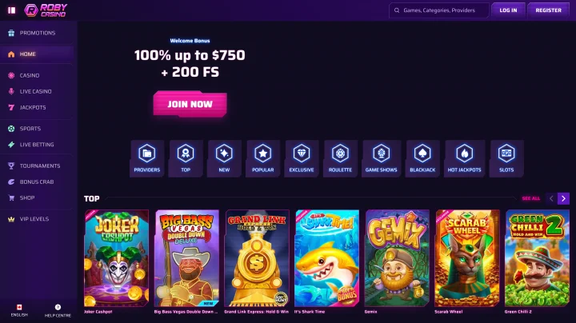
Imagine a simple situation. You have ten minutes free, you open your account from your smartphone, and you just want to check your balance, enter a section, and exit on time. At that moment, you don't need spectacle, you need clarity. A useful platform guides you in a few taps; a confusing platform makes you lose energy even before you start.
Then there's another point that many underestimate: the difference between initial impression and repeated use. A brief, almost curious visit is one thing. Returning every day, even for just five minutes, and performing the same actions is another. That's where the truly important details emerge.
What to Look For in the First Ten Minutes
In the first ten minutes, it's best to do a very practical test: open your profile, look for your history, find the security settings, and locate the personal control tools. Imagine you've just finished registration and don't want to play yet. If you can find these functions without wandering aimlessly, the foundation is already good. If, on the other hand, everything seems hidden or scattered, the problem isn't your eyesight: it's often the product's structure itself.
Difference Between Curiosity and Real Use
Curiosity drives clicks, real use forces understanding. When a user enters for the first time, they tend to follow their instinct: they open a category, look at an offer, touch a button. But when they start using the account for real, everything changes. They need to check how much they've deposited, understand how much they've spent, review a request, and possibly stop.
Imagine a user who logs in tired in the evening, after work, and doesn't want to get lost in ten screens. In that case, the difference between a good product and a mediocre one is stark. The former makes normal actions simple. The latter demands attention precisely when attention is lowest.